Jonathan Neville reacts to Spencer Kraus’s reviews
|
Tags: Ad hominem, Apostasy, Church leadership, Conspiracy theories, Daniel Peterson, Logical fallacies, Self-awareness, Strawman Fallacy
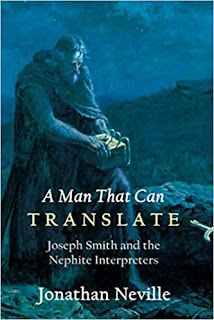
In the wake of Spencer Kraus’s reviews of A Man that Can Translate and Infinite Goodness, Jonathan Neville has been flailing about, vainly hoping to land a blow against Kraus, or me, or Book of Mormon Central, or Daniel Peterson, or Jack Welch, or apparently anyone who opposes him.
Neville has begun a series of responses to Kraus that he runs under the noisome title “Under the Banner of the Interpreter,” apparently in a feeble attempt to connect anyone and anything that’s critical of his work to the loathesome anti-Mormon book and streaming television series Under the Banner of Heaven. That’s par for the course for Neville, who for years has implied that anyone who doesn’t agree with his eccentric views—including general authorities—is leading the Church and its members astray.
Meanwhile, beneath the title “Under the Banner of the Interpreter,” Neville obtusely protests that none of what he writes “is an ‘ad hominem’ argument” for “we focus on the merits” of his opponents’ arguments. Let’s see how well he lives up to that claim, shall we?
Neville writes:
I’m sure that there are many Heartlanders who are sincere and righteous. That does not, however, make Neville’s views correct or immune from critical review.
As far as I’m aware, I’m the only “apologist” who has accused Neville of flirting with apostasy. My basis for this claim has nothing to do with Neville’s interpretations or views and everything to do with the way he continually implies—or sometimes even states outright—that today’s leaders of The Church of Jesus Christ of Latter-day Saints are ignorant, are leading the Saints astray, are covering up historical facts, and are not teaching the truth.
Later in his blog post, Neville asserts that “the citation cartel aggressively attacks faithful Latter-day Saints who don’t accept either their style or their substance.” But the real issue here isn’t about “style” or “substance”; it’s about how Neville is guilty of evil-speaking of the Lord’s anointed leaders. He should repent and change his approach.
Apparently it has not occurred to Neville that the decline in Church growth rates would have been greater if it were not for the efforts of Book of Mormon Central, the Interpreter Foundation, and other organizations that stand up for modern leaders of the Church instead of disparaging them and spreading pernicious conspiracy theories about them.
Nowhere does Neville grant that Kraus may have written his reviews of A Man that Can Translate and Infinite Goodness merely because Kraus himself disagrees with Neville’s methods and conclusions. Nowhere does he grant that Kraus may have written his review without the knowledge or approval of those who manage Book of Mormon Central. According to Neville, Kraus cannot possibly be anything more than an errand-boy for the Powers that Be at the M2C Citation Cartel.
Ad hominem itself blushes in the face of Jonathan Neville.
Being that Neville was once a lawyer, it’s a shame that he doesn’t seems to understand the legal concept of libel.
Neville claims that “people” (plural) have told him my identity. I have very good reasons to doubt that he’s telling the truth. (Among them is the fact that he can’t make his mind if I’m one person or multiple people.) Unless he’s willing to go public with my identity—and please, Brother Neville, you have my permission to do so, so go right ahead—I think he’s “blowing smoke,” as they say.
The disappointing thing here is that Neville didn’t even make an attempt to respond to anything I’ve written. He simply accused me of using “logical and factual fallacies” (something he’s claimed repeatedly) without bothering to tell his readers where and how I’ve done so. Meanwhile, this is this blog’s 308th published post that has quoted what he’s written and provided evidence of why he’s wrong. His accusation against me isn’t exactly a textbook example of ad hominem, but it’s certainly avoiding the argument.
Finally, Neville incorrectly assumes that I operate under a pseudonym because I’m deeply “ashamed” of my work. I confess that I laughed out loud at this. The truth is that I operate under the pseudonyum “Peter Pan” for three reasons:
At least Neville seems to have given up on the (incorrect) belief that I’m secretly Daniel Peterson.
Second star to the right and straight on ’til morning!
—Peter Pan
Neville has begun a series of responses to Kraus that he runs under the noisome title “Under the Banner of the Interpreter,” apparently in a feeble attempt to connect anyone and anything that’s critical of his work to the loathesome anti-Mormon book and streaming television series Under the Banner of Heaven. That’s par for the course for Neville, who for years has implied that anyone who doesn’t agree with his eccentric views—including general authorities—is leading the Church and its members astray.
Meanwhile, beneath the title “Under the Banner of the Interpreter,” Neville obtusely protests that none of what he writes “is an ‘ad hominem’ argument” for “we focus on the merits” of his opponents’ arguments. Let’s see how well he lives up to that claim, shall we?
Neville writes:
Most Latter-day Saints ignore these foolish antics of the apologists in the citation cartel. We go about our business, helping our fellow Latter-day Saints and our local communities, attending the temple, teaching classes and serving missions, and generally rejoicing in living the gospel on a daily basis. We support our Church leaders and still believe what Joseph Smith and Oliver Cowdery said.That’s only the second paragraph after Neville promised to “focus on the merits,” and he’s already descended into ad hominem and appealed to the self-righteousness fallacy: People who disagree with Neville are guilty of “foolish antics,” while sincere, righteous Heartlanders help others, attend the temple, teach and serve, live the gospel, and support Church leaders.
I’m sure that there are many Heartlanders who are sincere and righteous. That does not, however, make Neville’s views correct or immune from critical review.
In their view, if you disagree with them (especially if you offer a faithful interpretation of Church history that supports and corroborates what Joseph and Oliver taught instead of M2C and SITH), you are an apostate—according to them.This is a strawman argument: Spencer Kraus wrote a critical analysis of Neville’s use of history and historical sources. Neither he nor the Interpreter Foundation accused Neville of apostasy.
As far as I’m aware, I’m the only “apologist” who has accused Neville of flirting with apostasy. My basis for this claim has nothing to do with Neville’s interpretations or views and everything to do with the way he continually implies—or sometimes even states outright—that today’s leaders of The Church of Jesus Christ of Latter-day Saints are ignorant, are leading the Saints astray, are covering up historical facts, and are not teaching the truth.
Later in his blog post, Neville asserts that “the citation cartel aggressively attacks faithful Latter-day Saints who don’t accept either their style or their substance.” But the real issue here isn’t about “style” or “substance”; it’s about how Neville is guilty of evil-speaking of the Lord’s anointed leaders. He should repent and change his approach.
Since the inception of the Interpreter and Book of Mormon Central, the growth of the Church has steadily declined.Neville has a penchant for using meaningless charts like this, then denying that correlation equals causation while simultaneously implying via his charts that correlation really does equal causation. One could just as easily claim that the declining growth rate of the Church correlates to the rise of Heartlanderism. (And I have, tongue firmly in cheek, of course.)Correlation is not necessarily causation, of course, and there are many factors involved with Church growth, but anyone who is active on social media (particularly English-language social media) knows that LDS apologists are flailing in comparison to the critics.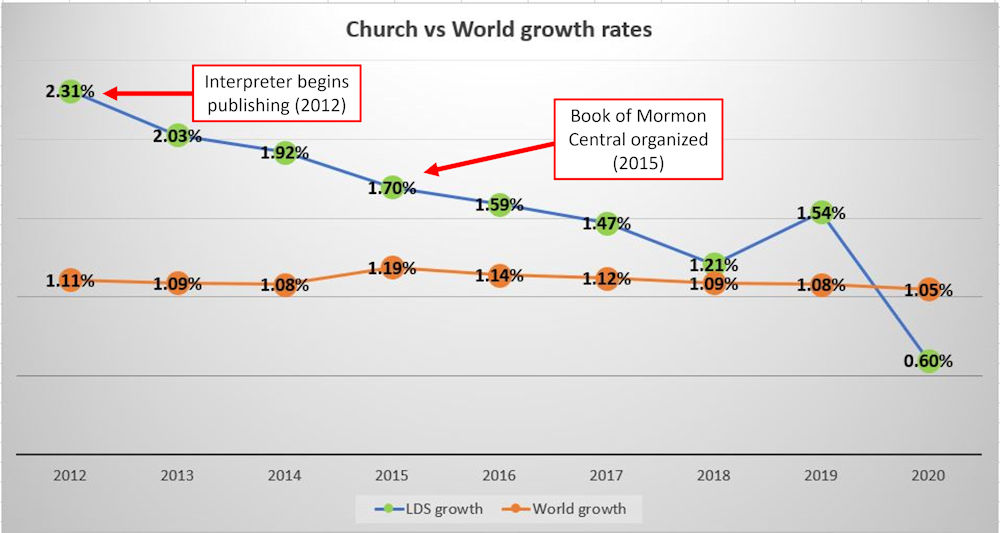
Apparently it has not occurred to Neville that the decline in Church growth rates would have been greater if it were not for the efforts of Book of Mormon Central, the Interpreter Foundation, and other organizations that stand up for modern leaders of the Church instead of disparaging them and spreading pernicious conspiracy theories about them.
Undoubtedly, Brother [Spencer] Kraus…is a fine, devout, committed Latter-day Saint, a great person, etc. Nevertheless, as a research associate with Book of Mormon Central, Brother Kraus naturally (and necessarily) follows the direction of his leaders in the organization, as is evident from his articles. His bio doesn’t reveal whether he is a volunteer or paid employee, but either way, he has to toe the party line or he couldn’t work there.Statements like this make me wonder if Jonathan Neville really understands what an ad hominem argument is, because he just crafted a perfect example of such: According to Neville, Kraus has only been critical of Neville’s writings because Kraus’s job depends on it. If Kraus didn’t “toe the party line” at Book of Mormon Central, Neville claims, then Kraus “couldn’t work there.”
Nowhere does Neville grant that Kraus may have written his reviews of A Man that Can Translate and Infinite Goodness merely because Kraus himself disagrees with Neville’s methods and conclusions. Nowhere does he grant that Kraus may have written his review without the knowledge or approval of those who manage Book of Mormon Central. According to Neville, Kraus cannot possibly be anything more than an errand-boy for the Powers that Be at the M2C Citation Cartel.
Ad hominem itself blushes in the face of Jonathan Neville.
I’m hearing complaints about Brother Kraus, but we can’t blame him.This is perhaps the strangest statement of all in Neville’s blog post. Complaints? Complaints about what? And from whom? Neville doesn’t tell us, but that’s because he doesn’t really have anything on Spencer Kraus; instead, he’s simply trying to poison the well against a good young scholar who has obviously struck a nerve.
Being that Neville was once a lawyer, it’s a shame that he doesn’t seems to understand the legal concept of libel.
Peter Pan is a good example of the worst of LDS apologetics, which may explain why he’s also a favorite of Dan Peterson’s. He’s basically Dan’s alter ego, given how frequently Dan refers his readers to Peter’s work.It’s not often the Jonathan Neville acknowledges my existence, so I suppose I should be flattered just to be mentioned.
I’ve had people tell me Peter Pan’s identity, but I respect his wish to remain anonymous because what better better [sic] epitome could there be of the worst of LDS apologetics than an individual (or group) so ashamed by his (their) work that he (they) remains anonymous while publishing a blog named after their chosen nemesis? Even better, that blog is a tutorial on logical and factual fallacies.
Neville claims that “people” (plural) have told him my identity. I have very good reasons to doubt that he’s telling the truth. (Among them is the fact that he can’t make his mind if I’m one person or multiple people.) Unless he’s willing to go public with my identity—and please, Brother Neville, you have my permission to do so, so go right ahead—I think he’s “blowing smoke,” as they say.
The disappointing thing here is that Neville didn’t even make an attempt to respond to anything I’ve written. He simply accused me of using “logical and factual fallacies” (something he’s claimed repeatedly) without bothering to tell his readers where and how I’ve done so. Meanwhile, this is this blog’s 308th published post that has quoted what he’s written and provided evidence of why he’s wrong. His accusation against me isn’t exactly a textbook example of ad hominem, but it’s certainly avoiding the argument.
Finally, Neville incorrectly assumes that I operate under a pseudonym because I’m deeply “ashamed” of my work. I confess that I laughed out loud at this. The truth is that I operate under the pseudonyum “Peter Pan” for three reasons:
- I want to avoid being personally attacked by Jonathan Neville. (Seeing his attempt to start a whisper campaign concerning supposed “complaints” about Spencer Kraus, I think this has been a wise move.)
- It’s in keeping with the playful name of the blog to use the names of characters from J.M. Barrie’s children’s books.
- It annoys Jonathan Neville, and I take a small amount of perverse pleasure in that.
At least Neville seems to have given up on the (incorrect) belief that I’m secretly Daniel Peterson.
Second star to the right and straight on ’til morning!
—Peter Pan
 Throughout his blog post, Kraus identifies how Neville “misquotes and misuses historical sources to attempt to paint a history that exists only in his imagination.” Just one example of this is how Neville has claimed that Oliver Cowdery “had [Joseph’s] little seer stone, the brown seer stone we see pictures of, in his pocket when he rejoined the Church.” Kraus hasn’t found a single source for this claim; he therefore concludes that “this detail comes directly from Neville’s imagination.”
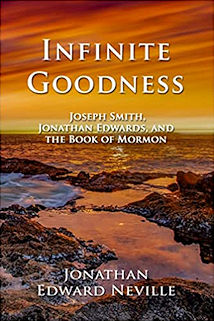

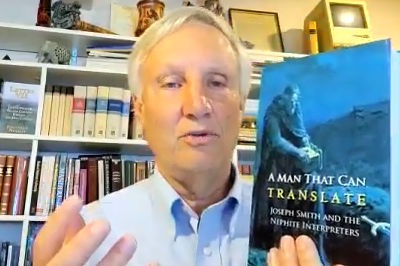
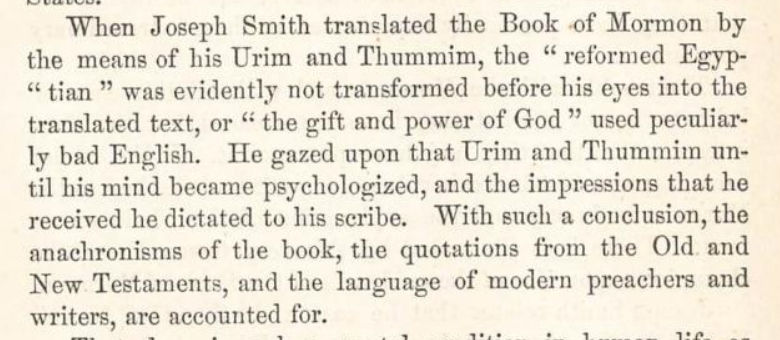
 Neville’s claim that “Lately, explanation 3 has been embraced by many believers…as a faithful explanation that replaces explanation 1” is clearly and patently false. As I wrote
 The evidence sadly suggests that Jonathan Neville is not going to stop doing these things or even tone down his rhetoric. If anything,


 Posts
Posts


